
Views: 12
Doctoral Degree Lesson in Biblical Studies
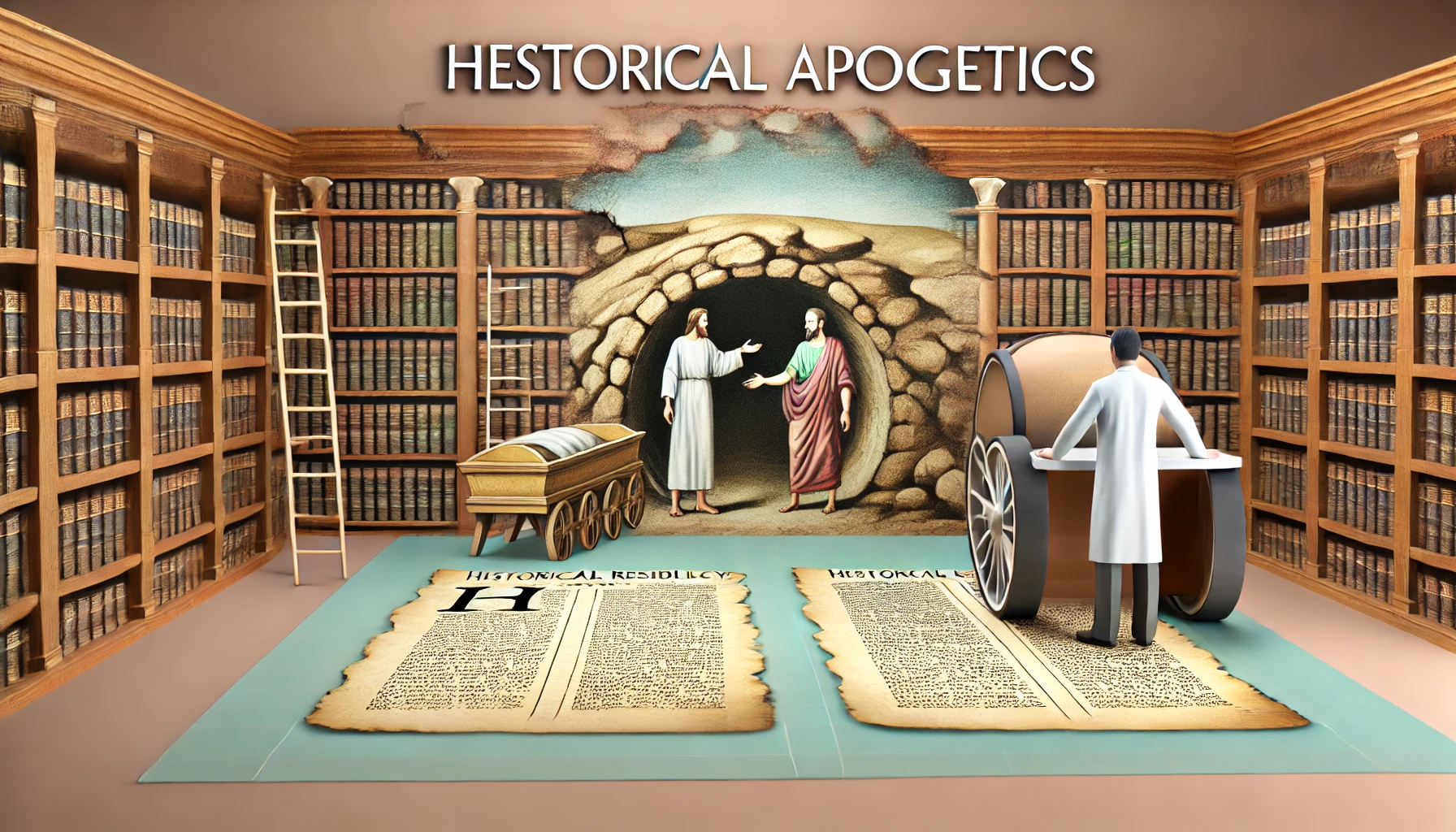
Lesson Title: Historical Apologetics: Exploration of the Historical Reliability of the Bible and the Evidence for the Resurrection of Jesus
Level of Education: Doctoral Degree
Purpose
To explore the historical reliability of the Bible and provide evidence for the resurrection of Jesus, reinforcing the Christian faith through historical apologetics.
Objectives
- To understand the principles and importance of historical apologetics.
- To examine the historical reliability of the Bible.
- To evaluate the evidence for the resurrection of Jesus.
- To develop skills for defending the historical claims of Christianity.
Concepts, Terms, and Keywords
- Historical Apologetics: An approach to apologetics that focuses on the historical reliability of the biblical narratives and events.
- Manuscript Evidence: Historical documents that support the accuracy and transmission of the biblical texts.
- Eyewitness Testimony: Accounts from individuals who directly witnessed the events described in the Bible.
- Archaeological Evidence: Physical artifacts and findings that corroborate biblical events and narratives.
- Resurrection of Jesus: The event where Jesus rose from the dead, central to Christian belief.
Lesson Content
Introduction to Historical Apologetics
- Definition and significance of historical apologetics.
- Historical development and key proponents, including F.F. Bruce and Gary Habermas.
Historical Reliability of the Bible
- Examination of manuscript evidence for the Old and New Testaments.
- Key manuscripts: Dead Sea Scrolls, Codex Sinaiticus.
- Bible Verses: Luke 1:1-4, 2 Timothy 3:16.
- Analysis of eyewitness testimony in the Gospels.
- Importance of eyewitness accounts for historical credibility.
- Bible Verses: 1 John 1:1-3, 2 Peter 1:16.
- Evaluation of archaeological evidence supporting biblical events.
- Key findings: Jericho, Pool of Bethesda.
- Bible Verses: John 5:1-2, Joshua 6:20.
- Critical evaluation: strengths and weaknesses of historical evidence.
- Practical Application: Using historical evidence in apologetic conversations.
Evidence for the Resurrection of Jesus
- Centrality of the resurrection in Christian faith.
- Examination of historical evidence for the resurrection.
- Empty tomb, post-resurrection appearances, transformation of the disciples.
- Bible Verses: 1 Corinthians 15:3-8, Matthew 28:1-10.
- Analysis of alternative theories and their weaknesses.
- Swoon theory, theft theory, hallucination theory.
- Bible Verses: Acts 2:22-24, Romans 1:4.
- Critical evaluation: strengths and weaknesses of the resurrection evidence.
- Practical Application: Defending the resurrection in evangelistic and apologetic contexts.
King Jesus’ Model/Example
- Jesus’ affirmation of Scripture’s authority and reliability.
- Jesus’ post-resurrection appearances as historical evidence.
- Bible Verses: Luke 24:44-48, John 20:19-29.
Exam Questions
- Define historical apologetics and explain its significance.
- Answer: Historical apologetics focuses on demonstrating the historical reliability of the biblical narratives and events. It is significant because it provides concrete evidence supporting the truth of Christianity. (Luke 1:1-4)
- What is manuscript evidence, and why is it important for the reliability of the Bible?
- Answer: Manuscript evidence consists of historical documents that support the accuracy and transmission of the biblical texts. It is important because it helps verify the authenticity and preservation of the Scriptures. (2 Timothy 3:16)
- Describe the role of eyewitness testimony in the Gospels.
- Answer: Eyewitness testimony in the Gospels provides firsthand accounts of the events described, enhancing the historical credibility of the narratives. (1 John 1:1-3)
- Give an example of archaeological evidence that supports a biblical event.
- Answer: The discovery of the Pool of Bethesda, mentioned in John 5:1-2, is an example of archaeological evidence that supports the accuracy of biblical accounts. (John 5:1-2)
- Explain the importance of the resurrection of Jesus in historical apologetics.
- Answer: The resurrection of Jesus is central to historical apologetics because it is a foundational event of the Christian faith, and its historicity is supported by various lines of evidence. (1 Corinthians 15:3-8)
- What are some key pieces of evidence for the resurrection of Jesus?
- Answer: Key pieces of evidence include the empty tomb, post-resurrection appearances, and the transformation of the disciples. (Matthew 28:1-10)
- How does the empty tomb support the resurrection of Jesus?
- Answer: The empty tomb supports the resurrection by providing a tangible, historical fact that aligns with the accounts of Jesus rising from the dead. (Matthew 28:6)
- What is the swoon theory, and why is it considered an inadequate explanation for the resurrection?
- Answer: The swoon theory suggests that Jesus did not actually die but merely fainted and later revived. It is inadequate because it fails to account for the Roman execution methods, the empty tomb, and the post-resurrection appearances. (John 19:33-34)
- How did Jesus affirm the authority and reliability of Scripture?
- Answer: Jesus affirmed the authority and reliability of Scripture by quoting it extensively, fulfilling its prophecies, and teaching its principles. (Luke 24:44)
- Why is it important for Christians to understand and use historical evidence in apologetics?
- Answer: Understanding and using historical evidence in apologetics is important because it helps provide a reasoned defense of the faith, strengthens the believer’s confidence, and effectively engages with skeptics. (1 Peter 3:15)
Practical Applications (Bible-based)
- Use manuscript, eyewitness, and archaeological evidence to support conversations about the historical reliability of the Bible.
- Develop presentations or seminars that highlight the historical evidence for the resurrection of Jesus.
- Engage in community outreach by sharing historical evidence that supports the Christian faith.
Research Citations in MLA Format
- Bruce, F.F. The New Testament Documents: Are They Reliable? InterVarsity Press, 2003. (Available in eBook format)
- Habermas, Gary R. The Historical Jesus: Ancient Evidence for the Life of Christ. College Press, 1996. (Available in eBook format)
- Licona, Michael R. The Resurrection of Jesus: A New Historiographical Approach. IVP Academic, 2010. (Available in eBook format)
- McDowell, Josh. The New Evidence That Demands a Verdict. Thomas Nelson, 1999. (Available in eBook format)
- Strobel, Lee. The Case for Christ: A Journalist’s Personal Investigation of the Evidence for Jesus. Zondervan, 1998. (Available in eBook format)
This lesson provides a comprehensive study of historical apologetics, focusing on the reliability of the Bible and the evidence for the resurrection of Jesus, and emphasizes the application of these arguments in contemporary apologetic discourse, all centered around the teachings and example of Jesus Christ.




![Cain and Abel [Genesis 4:1-16]](https://kingj.tv/wp-content/uploads/2024/04/Genesis-story-of-Cain-and-Abel-120x86.webp)