Views: 6
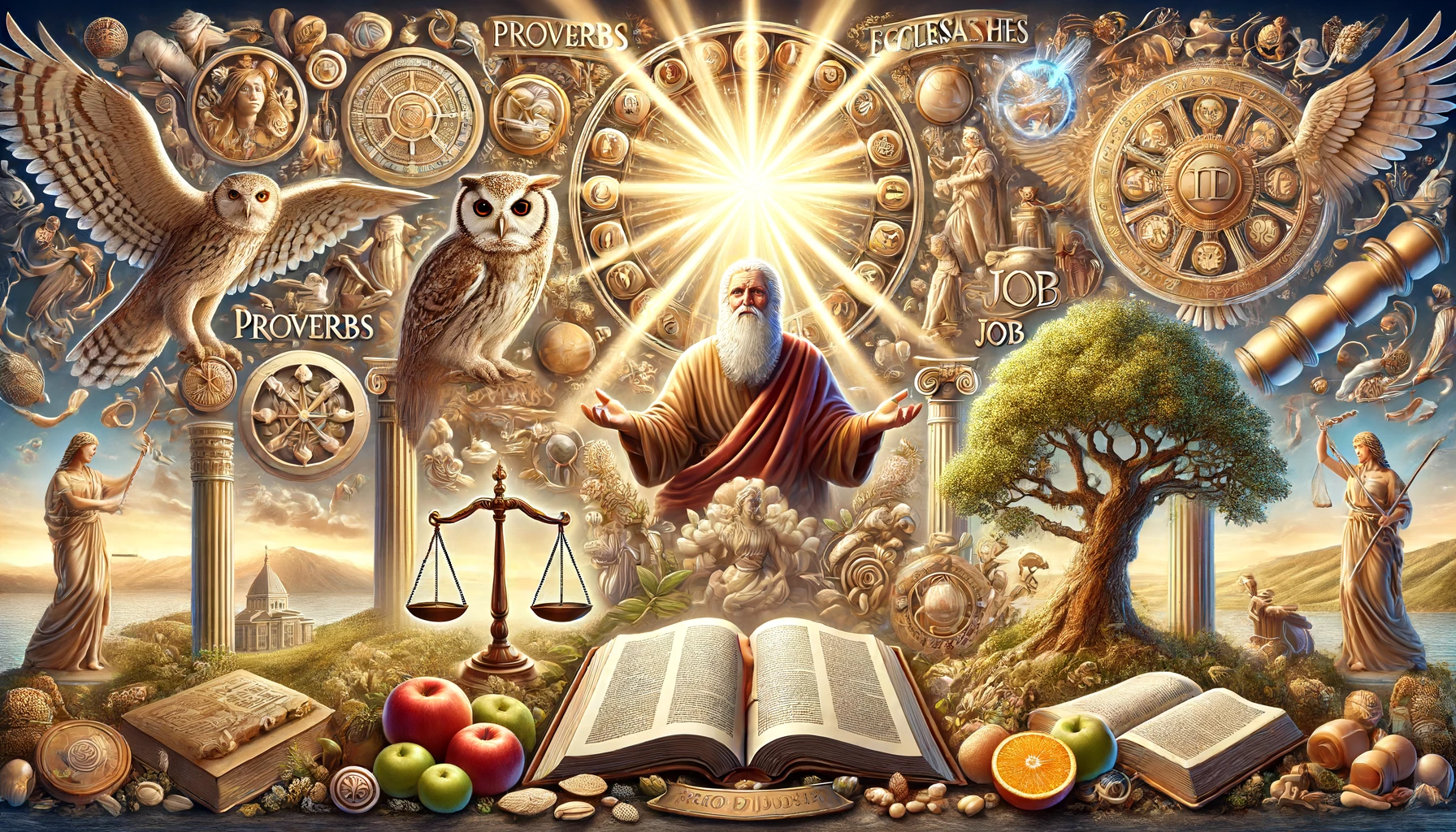
Title: BIB 652: Wisdom Literature and Its Application
Subtitle: Exploring the Teachings and Relevance of Biblical Wisdom
Course Name & Level: Wisdom Literature and Its Application, Master Degree
Number of Credit Hours: 3 credit hours
Keywords: Wisdom Literature, Proverbs, Ecclesiastes, Job
1. Introduction:
This course examines the wisdom literature of the Old Testament, focusing on the books of Proverbs, Ecclesiastes, and Job. Students will explore the teachings, themes, and relevance of these books for contemporary Christian life and ministry.
2. Course Description:
An advanced course that delves into the wisdom literature of the Old Testament. Emphasis is placed on understanding the literary forms, theological themes, and practical applications of Proverbs, Ecclesiastes, and Job.
3. Course Purpose:
To provide students with a comprehensive understanding of biblical wisdom literature, enhancing their ability to apply its teachings to personal and communal Christian life.
4. Course Objectives:
To explore and analyze the teachings of the wisdom literature, understanding their theological significance and practical applications for contemporary Christian life and ministry.
5. Key Terms Defined & Key Concepts Explained:
- Wisdom Literature: A genre of biblical writing that focuses on practical and philosophical insights for living a godly life.
- Proverbs: Short, pithy sayings that convey practical wisdom for daily living.
- Ecclesiastes: A book that reflects on the meaning and purpose of life, often with a skeptical and reflective tone.
- Job: A narrative that explores the themes of suffering, justice, and the sovereignty of God.
- Fear of the Lord: A key theme in wisdom literature, emphasizing reverence and obedience to God as the foundation of wisdom.
6. Specific Topics with Descriptions:
- Introduction to Wisdom Literature: Overview of the course and its objectives.
- The Nature of Biblical Wisdom: Examination of the characteristics and sources of biblical wisdom.
- Themes in Proverbs: Study of key themes in Proverbs, such as wisdom, folly, discipline, and righteousness.
- The Theology of Ecclesiastes: Exploration of the theological themes and existential questions in Ecclesiastes.
- The Message of Job: Analysis of the themes of suffering, justice, and the sovereignty of God in Job.
- Literary Forms in Wisdom Literature: Understanding the different literary forms and techniques used in wisdom literature.
- The Fear of the Lord: Examination of the concept of the fear of the Lord and its significance in wisdom literature.
- Wisdom and Creation: Exploration of the relationship between wisdom and creation in the wisdom literature.
- Practical Applications of Wisdom: Applying the teachings of wisdom literature to contemporary Christian life and ministry.
- Wisdom and Ethics: Understanding the ethical teachings and implications of wisdom literature.
- Wisdom and Human Experience: Reflecting on the insights of wisdom literature on human experience and existence.
- Contemporary Relevance: Exploring the relevance of wisdom literature for modern readers and communities.
7. Assessments with Descriptions:
- Quizzes: Regular quizzes to test knowledge of key concepts and teachings of wisdom literature.
- Reflection Papers: Written reflections on personal insights and learnings from specific topics.
- Research Paper: An in-depth research paper on a chosen aspect of wisdom literature.
- Midterm Exam: An exam covering the first half of the course material.
- Final Exam: Comprehensive exam covering the entire course.
- Participation: Active participation in class discussions and group activities.
- Presentation: A presentation on a significant aspect of wisdom literature and its application.
8. Research References:
- The Book of Proverbs: A New International Commentary on the Old Testament by Bruce K. Waltke. eBook format. MLA Citation: Waltke, Bruce K. The Book of Proverbs: A New International Commentary on the Old Testament. Eerdmans, 2004.
- Ecclesiastes: An Introduction and Commentary (Tyndale Old Testament Commentaries) by Michael A. Eaton. eBook format. MLA Citation: Eaton, Michael A. Ecclesiastes: An Introduction and Commentary. IVP Academic, 1983.
- Job: A Commentary (Old Testament Library) by Carol A. Newsom. eBook format. MLA Citation: Newsom, Carol A. Job: A Commentary. Westminster John Knox Press, 2003.
- The Wisdom Books: Job, Proverbs, and Ecclesiastes: A Translation with Commentary by Robert Alter. eBook format. MLA Citation: Alter, Robert. The Wisdom Books: Job, Proverbs, and Ecclesiastes: A Translation with Commentary. W.W. Norton & Company, 2010.
- Reading the Old Testament: An Introduction by Lawrence Boadt. eBook format. MLA Citation: Boadt, Lawrence. Reading the Old Testament: An Introduction. Paulist Press, 1984.
This comprehensive curriculum ensures that students gain a deep understanding of wisdom literature, focusing on King Jesus, His Kingdom, and His Great Commission.