
Views: 67
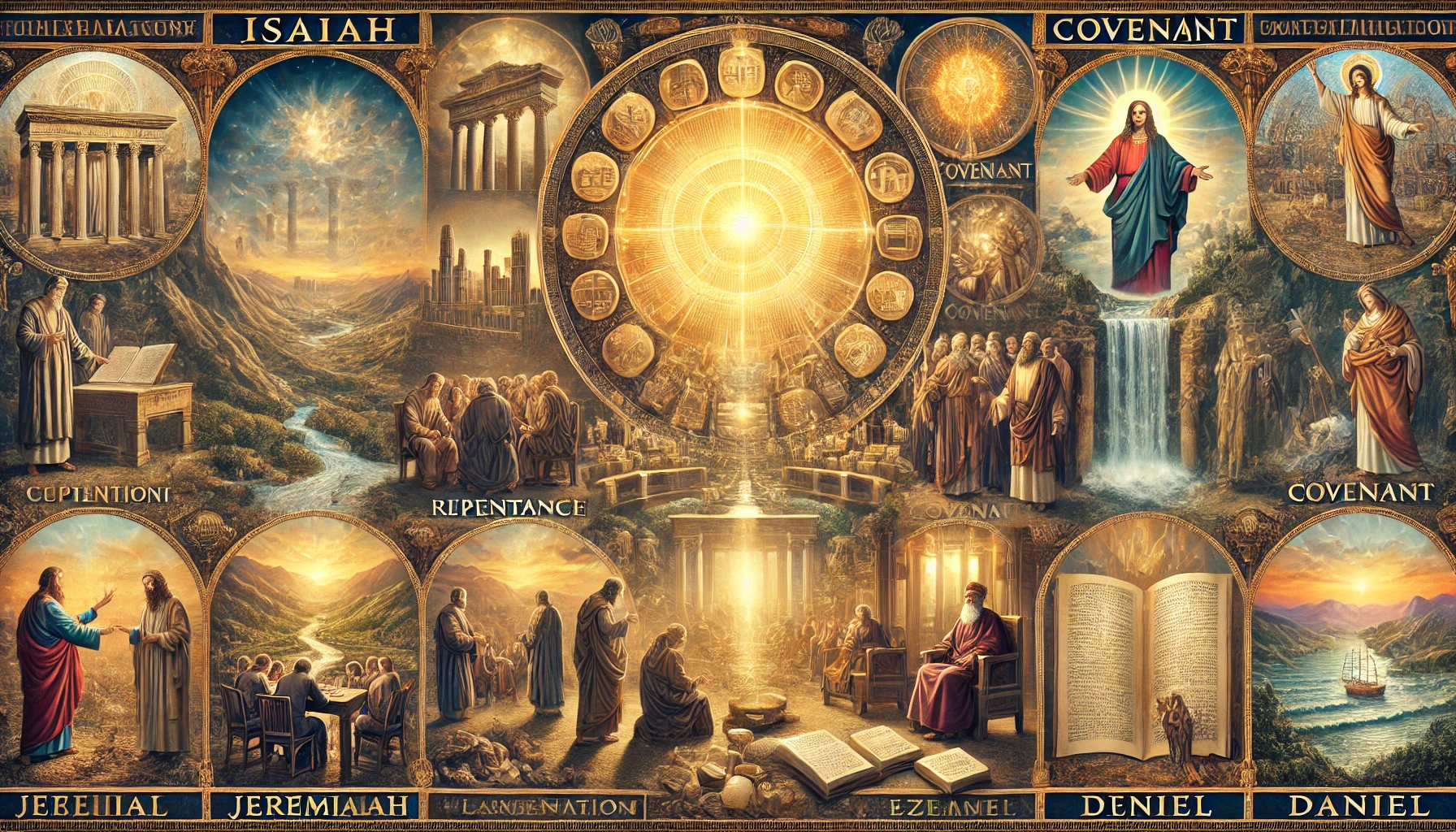
Theological Themes in the Major Prophets
Level of Education: Doctoral Degree in Biblical Studies
Purpose
To analyze the central theological themes across the Major Prophets—Isaiah, Jeremiah, Lamentations, Ezekiel, and Daniel—and explore their relevance for contemporary Christian faith and practice.
Objectives
- Identify and analyze the central theological themes in the Major Prophets.
- Evaluate the theological significance of these themes.
- Understand the historical and cultural contexts influencing these themes.
- Apply the teachings of the Major Prophets to modern Christian life and ministry.
Key Concepts, Terms, and Keywords
- Divine Judgment (Mishpat): God’s righteous assessment and response to sin.
- Repentance (Teshuvah): Turning away from sin and returning to God.
- Restoration (Tikkun): The promise of renewal and healing for God’s people.
- Covenant (Berit): A sacred agreement between God and His people.
- Messianic Prophecy: Predictions about the coming Messiah who will bring salvation and restoration.
- Divine Glory (Kavod Adonai): The manifestation of God’s presence and majesty.
- Faithfulness (Emunah): Steadfast loyalty and trust in God.
Lesson Content
1. Introduction to the Major Prophets
- Overview of the Major Prophets
- The Major Prophets include Isaiah, Jeremiah, Lamentations, Ezekiel, and Daniel.
- These books are characterized by their length and the significant messages they convey.
- Scriptural Basis: Isaiah 1:1, Jeremiah 1:1-3, Lamentations 1:1, Ezekiel 1:1-3, Daniel 1:1-2.
2. Central Theological Themes
- Divine Judgment
- Isaiah: Condemnation of social injustice and idolatry, with calls for repentance.
- Scriptural Basis: Isaiah 1:17 – “Learn to do right; seek justice. Defend the oppressed. Take up the cause of the fatherless; plead the case of the widow.”
- Jeremiah: Warnings of impending judgment due to Judah’s persistent sin.
- Scriptural Basis: Jeremiah 7:9-10 – “Will you steal and murder, commit adultery and perjury, burn incense to Baal and follow other gods you have not known, and then come and stand before me in this house, which bears my Name, and say, ‘We are safe’—safe to do all these detestable things?”
- Ezekiel: Prophecies of destruction for Israel’s unfaithfulness and idolatry.
- Scriptural Basis: Ezekiel 7:3-4 – “The end is now upon you, and I will unleash my anger against you. I will judge you according to your conduct and repay you for all your detestable practices.”
- Daniel: Visionary warnings about the rise and fall of empires due to their wickedness.
- Scriptural Basis: Daniel 7:3-4 – “Four great beasts, each different from the others, came up out of the sea. The first was like a lion, and it had the wings of an eagle.”
- Isaiah: Condemnation of social injustice and idolatry, with calls for repentance.
- Repentance
- Isaiah: Calls for genuine repentance and return to God.
- Scriptural Basis: Isaiah 55:6-7 – “Seek the Lord while he may be found; call on him while he is near. Let the wicked forsake their ways and the unrighteous their thoughts. Let them turn to the Lord, and he will have mercy on them, and to our God, for he will freely pardon.”
- Jeremiah: Urges for heartfelt repentance and return to God’s covenant.
- Scriptural Basis: Jeremiah 3:12-13 – “Return, faithless Israel, declares the Lord, I will frown on you no longer, for I am faithful, declares the Lord, I will not be angry forever. Only acknowledge your guilt—you have rebelled against the Lord your God.”
- Ezekiel: Emphasizes personal responsibility and the need for repentance.
- Scriptural Basis: Ezekiel 18:30-31 – “Therefore, you Israelites, I will judge each of you according to your own ways, declares the Sovereign Lord. Repent! Turn away from all your offenses; then sin will not be your downfall. Rid yourselves of all the offenses you have committed, and get a new heart and a new spirit.”
- Isaiah: Calls for genuine repentance and return to God.
- Restoration
- Isaiah: Promises of renewal and restoration for Israel.
- Scriptural Basis: Isaiah 40:1-2 – “Comfort, comfort my people, says your God. Speak tenderly to Jerusalem, and proclaim to her that her hard service has been completed, that her sin has been paid for.”
- Jeremiah: The promise of a new covenant and restoration.
- Scriptural Basis: Jeremiah 31:31-34 – “The days are coming, declares the Lord, when I will make a new covenant with the people of Israel and with the people of Judah… I will put my law in their minds and write it on their hearts. I will be their God, and they will be my people.”
- Ezekiel: Visions of a restored Israel and a new heart.
- Scriptural Basis: Ezekiel 36:26-28 – “I will give you a new heart and put a new spirit in you; I will remove from you your heart of stone and give you a heart of flesh.”
- Isaiah: Promises of renewal and restoration for Israel.
- Covenant
- Isaiah: Emphasizes the faithfulness of God’s covenant despite Israel’s unfaithfulness.
- Scriptural Basis: Isaiah 54:10 – “Though the mountains be shaken and the hills be removed, yet my unfailing love for you will not be shaken nor my covenant of peace be removed, says the Lord, who has compassion on you.”
- Jeremiah: Focuses on the broken covenant and the need for a new covenant.
- Scriptural Basis: Jeremiah 31:31-34.
- Ezekiel: The promise of a new covenant with a transformed heart.
- Scriptural Basis: Ezekiel 36:26-28.
- Isaiah: Emphasizes the faithfulness of God’s covenant despite Israel’s unfaithfulness.
- Messianic Prophecy
- Isaiah: Prophesies the coming of the Messiah and His kingdom.
- Scriptural Basis: Isaiah 9:6-7 – “For to us a child is born, to us a son is given, and the government will be on his shoulders. And he will be called Wonderful Counselor, Mighty God, Everlasting Father, Prince of Peace. Of the greatness of his government and peace there will be no end.”
- Jeremiah: References the righteous Branch from David’s line.
- Scriptural Basis: Jeremiah 23:5-6 – “The days are coming, declares the Lord, when I will raise up for David a righteous Branch, a King who will reign wisely and do what is just and right in the land.”
- Isaiah: Prophesies the coming of the Messiah and His kingdom.
- Divine Glory
- Ezekiel: Vivid visions of God’s glory and His presence with His people.
- Scriptural Basis: Ezekiel 1:28 – “Like the appearance of a rainbow in the clouds on a rainy day, so was the radiance around him. This was the appearance of the likeness of the glory of the Lord. When I saw it, I fell facedown, and I heard the voice of one speaking.”
- Ezekiel: Vivid visions of God’s glory and His presence with His people.
- Faithfulness
- Daniel: Stories of unwavering faithfulness in the face of persecution.
- Scriptural Basis: Daniel 6:10 – “Now when Daniel learned that the decree had been published, he went home to his upstairs room where the windows opened toward Jerusalem. Three times a day he got down on his knees and prayed, giving thanks to his God, just as he had done before.”
- Daniel: Stories of unwavering faithfulness in the face of persecution.
3. Theological Significance and Contemporary Relevance
- Divine Judgment
- Significance: Highlights the seriousness of sin and the need for accountability.
- Relevance: Calls believers to live righteously and heed God’s warnings.
- Example: Reflecting on Jeremiah 7:9-10 to avoid complacency and pursue justice.
- Repentance
- Significance: Emphasizes the necessity of turning back to God.
- Relevance: Encourages personal and communal repentance and renewal.
- Example: Using Isaiah 55:6-7 in personal devotions to seek God’s mercy.
- Restoration
- Significance: Offers hope and assurance of God’s redemptive power.
- Relevance: Inspires faith in God’s promise to restore and renew.
- Example: Meditating on Ezekiel 36:26-28 to trust in God’s transformative work.
- Covenant
- Significance: Affirms God’s unwavering commitment to His people.
- Relevance: Reinforces the importance of living in covenant relationship with God.
- Example: Studying Jeremiah 31:31-34 to understand the new covenant in Christ.
- Messianic Prophecy
- Significance: Foretells the coming of the Messiah and the establishment of His kingdom.
- Relevance: Strengthens faith in Jesus as the fulfillment of prophecy.
- Example: Reflecting on Isaiah 9:6-7 during Advent to celebrate the birth of Christ.
- Divine Glory
- Significance: Demonstrates the majesty and holiness of God.
- Relevance: Inspires reverence and awe in worship.
- Example: Incorporating prayers of adoration based on Ezekiel’s visions in worship services.
- Faithfulness
- Significance: Encourages steadfastness and loyalty to God.
- Relevance: Motivates believers to remain faithful in the face of challenges.
- Example: Using Daniel’s example in sermons to inspire faithfulness in adversity.
King Jesus’ Model/Example
- Luke 24:44: “He said to them, ‘This is what I told you while I was still with you: Everything must be fulfilled that is written about me in the Law of Moses, the Prophets and the Psalms.'”
- Explanation: Jesus’ life and ministry fulfill the prophecies and themes outlined in the Major Prophets, emphasizing His role as the promised Messiah and the ultimate fulfillment of God’s redemptive plan.
Practical Applications (Bible-Based)
- Personal Reflection
- Applying the themes of the Major Prophets to personal spiritual growth.
- Example: Reflecting on Isaiah’s call for justice and making efforts to support social justice initiatives in the community.
- Teaching and Preaching
- Using the theological themes to inform and enrich teaching and preaching.
- Example: Preaching a sermon series on the new covenant in Jeremiah to highlight God’s promise of internal transformation.
- Community Engagement
- Encouraging community engagement and outreach based on the prophetic calls for repentance and restoration.
- Example: Organizing community service projects inspired by the themes of justice and restoration in Isaiah and Ezekiel.
Exam Questions and Answers
- Question: What are the central themes of divine judgment in the Major Prophets, and how do they address the issue of sin? Answer: The central themes of divine judgment in the Major Prophets address the issue of sin by highlighting God’s righteous response to social injustice, idolatry, and unfaithfulness. These themes emphasize the seriousness of sin and the need for accountability, urging the people to repent and return to God (Isaiah 1:17, Jeremiah 7:9-10, Ezekiel 7:3-4).
- Question: How do the Major Prophets emphasize the importance of repentance, and what are the theological implications of this theme? Answer: The Major Prophets emphasize the importance of repentance by calling for a heartfelt return to God and turning away from sin. The theological implications include the necessity of acknowledging guilt, seeking God’s mercy, and experiencing internal transformation. This theme underscores the need for personal and communal renewal (Isaiah 55:6-7, Jeremiah 3:12-13, Ezekiel 18:30-31).
- Question: Describe the theme of restoration in the Major Prophets and its significance for the people of Israel. Answer: The theme of restoration in the Major Prophets includes promises of renewal and healing for the people of Israel. It signifies God’s redemptive power and His commitment to restore His people despite their failures. This theme offers hope and assurance of God’s faithfulness and His plans for a renewed relationship with His people (Isaiah 40:1-2, Jeremiah 31:31-34, Ezekiel 36:26-28).
- Question: How do the Major Prophets convey the concept of covenant, and what is its relevance for contemporary believers? Answer: The Major Prophets convey the concept of covenant by affirming God’s unwavering commitment to His people and emphasizing the importance of living in covenant relationship with Him. For contemporary believers, this theme reinforces the significance of faithfulness to God and the new covenant established through Jesus Christ, which offers internal transformation and a deeper relationship with God (Isaiah 54:10, Jeremiah 31:31-34, Ezekiel 36:26-28).
- Question: What role do messianic prophecies play in the Major Prophets, and how do they point to the coming of Jesus? Answer: Messianic prophecies in the Major Prophets play a crucial role in foretelling the coming of the Messiah and the establishment of His kingdom. These prophecies point to Jesus as the fulfillment of God’s redemptive plan, offering hope and assurance of salvation. They highlight the significance of Jesus’ life, ministry, and ultimate reign (Isaiah 9:6-7, Jeremiah 23:5-6).
- Question: How does Ezekiel’s vision of divine glory contribute to the understanding of God’s majesty and holiness? Answer: Ezekiel’s vision of divine glory contributes to the understanding of God’s majesty and holiness by vividly portraying the radiance and splendor of God’s presence. This vision emphasizes the transcendent nature of God, inspiring awe and reverence. It also reassures the people of God’s continual presence with them, even in exile (Ezekiel 1:28).
- Question: In what ways does the theme of faithfulness in the Book of Daniel provide encouragement for believers facing adversity? Answer: The theme of faithfulness in the Book of Daniel provides encouragement for believers facing adversity by showcasing the unwavering trust and loyalty of Daniel and his friends to God despite persecution. Their stories demonstrate that faithfulness to God leads to divine protection and deliverance, inspiring believers to remain steadfast in their faith (Daniel 1:8, 3:17-18, 6:10).
- Question: How can the themes of repentance and restoration in the Major Prophets be applied to contemporary Christian ministry? Answer: The themes of repentance and restoration in the Major Prophets can be applied to contemporary Christian ministry by encouraging personal and communal repentance, fostering hope in God’s redemptive power, and promoting efforts toward spiritual and social renewal. These themes can inform preaching, teaching, and pastoral care, helping believers to seek transformation and restoration (Isaiah 55:6-7, Jeremiah 31:31-34, Ezekiel 36:26-28).
- Question: Discuss the relevance of the covenant theme in the Major Prophets for understanding the new covenant in Christ. Answer: The covenant theme in the Major Prophets is relevant for understanding the new covenant in Christ as it highlights God’s faithfulness and commitment to His people. The new covenant, prophesied in Jeremiah and Ezekiel, finds its fulfillment in Jesus, who establishes a deeper, internal relationship with God through His sacrificial death and resurrection. This theme reinforces the importance of living in faithful relationship with God under the new covenant (Jeremiah 31:31-34, Ezekiel 36:26-28, Luke 22:20).
- Question: What lessons can contemporary Christians learn from the prophetic calls for justice in the Major Prophets? Answer: Contemporary Christians can learn from the prophetic calls for justice in the Major Prophets by recognizing the importance of social justice, advocating for the oppressed, and living out God’s principles of righteousness and fairness. These calls challenge believers to address injustices in their communities and to act with compassion and integrity, reflecting God’s heart for justice (Isaiah 1:17, Jeremiah 22:3, Ezekiel 18:5-9).
Research Citations (MLA Format)
- Oswalt, John N. The Book of Isaiah: Chapters 1-39 (The New International Commentary on the Old Testament). Eerdmans Publishing Co., 1986. Available in eBook format.
- Brueggemann, Walter. A Commentary on Jeremiah: Exile and Homecoming. Eerdmans Publishing Co., 1998. Available in eBook format.
- Hill, Andrew E. Lamentations: A Commentary (The Old Testament Library). Westminster John Knox Press, 2002. Available in eBook format.
- Block, Daniel I. The Book of Ezekiel, Chapters 1-24 (The New International Commentary on the Old Testament). Eerdmans Publishing Co., 1997. Available in eBook format.
- Goldingay, John. Daniel (Word Biblical Commentary, Vol. 30). Zondervan Academic, 1989. Available in eBook format.
This lesson provides an in-depth analysis of the central theological themes across the Major Prophets, exploring their relevance for contemporary Christian faith and practice.