
Views: 10
Introduction to Wisdom Literature: Overview of the Course and Its Objectives
Level of Education: Doctoral Degree in Biblical Studies
Purpose
To provide a comprehensive introduction to the wisdom literature of the Bible, exploring its themes, literary characteristics, theological insights, and relevance to contemporary Christian life.
Objectives
- Understand the nature and purpose of biblical wisdom literature.
- Analyze the main themes and literary forms found in wisdom literature.
- Evaluate the theological and practical insights offered by wisdom literature.
- Apply the teachings of wisdom literature to contemporary Christian faith and practice.
Key Concepts, Terms, and Keywords
- Wisdom Literature: A genre of biblical writings that focuses on the nature of wisdom and the practical application of knowledge.
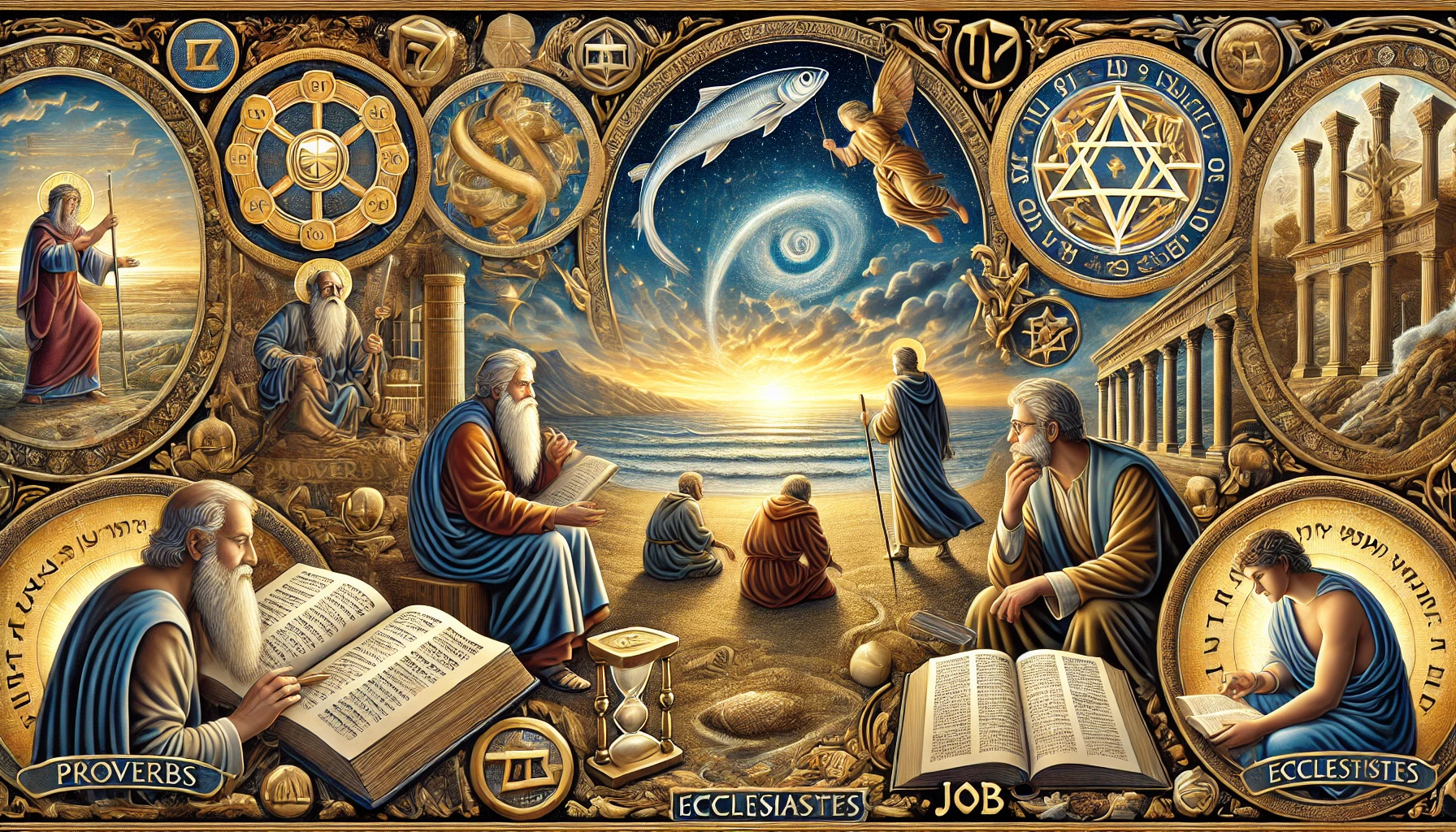
- Proverbs: Short, pithy statements that express general truths or principles.
- Ecclesiastes: A book that reflects on the meaning of life and the human pursuit of happiness.
- Job: A narrative that explores themes of suffering, justice, and the sovereignty of God.
- Fear of the Lord: A key theme in wisdom literature, emphasizing reverence for God as the foundation of wisdom.
- Theodicy: Theological attempts to justify God’s goodness and omnipotence in the face of evil and suffering.
Lesson Content
1. Introduction to Wisdom Literature
- Definition and Scope
- Includes the books of Proverbs, Ecclesiastes, Job, and some Psalms.
- Focuses on practical and philosophical questions about life, morality, and the nature of God.
- Purpose
- To provide moral instruction, ethical guidance, and insights into human behavior and the divine order.
- Scriptural Basis: Proverbs 1:7 – “The fear of the Lord is the beginning of knowledge, but fools despise wisdom and instruction.”
2. Overview of Key Books
- Proverbs
- Themes: Practical wisdom, moral behavior, the fear of the Lord.
- Structure: Collection of sayings and instructions attributed primarily to Solomon.
- Key Verses: Proverbs 3:5-6 – “Trust in the Lord with all your heart and lean not on your own understanding; in all your ways submit to him, and he will make your paths straight.”
- Ecclesiastes
- Themes: Meaning of life, human vanity, the pursuit of happiness.
- Structure: Reflective and philosophical discourse attributed to “the Teacher” (Qoheleth).
- Key Verses: Ecclesiastes 12:13 – “Now all has been heard; here is the conclusion of the matter: Fear God and keep his commandments, for this is the duty of all mankind.”
- Job
- Themes: Suffering, justice, faith, and the sovereignty of God.
- Structure: Narrative prose and poetic dialogues.
- Key Verses: Job 1:21 – “The Lord gave and the Lord has taken away; may the name of the Lord be praised.”
3. Literary Characteristics of Wisdom Literature
- Proverbs and Sayings
- Brief, memorable statements that offer practical advice.
- Example: Proverbs 10:4 – “Lazy hands make for poverty, but diligent hands bring wealth.”
- Poetic Dialogues and Monologues
- Reflective and philosophical discussions on life’s big questions.
- Example: Job’s dialogues with his friends and God.
- Reflective Essays
- Philosophical reflections on the human condition and the nature of existence.
- Example: Ecclesiastes’ exploration of life’s meaning.
4. Theological Insights of Wisdom Literature
- Fear of the Lord
- Reverence for God as the foundation of true wisdom.
- Scriptural Basis: Proverbs 9:10 – “The fear of the Lord is the beginning of wisdom, and knowledge of the Holy One is understanding.”
- Divine Sovereignty and Human Suffering
- Exploration of God’s control over the universe and human response to suffering.
- Scriptural Basis: Job 42:2 – “I know that you can do all things; no purpose of yours can be thwarted.”
- Human Vanity and the Search for Meaning
- Reflection on the fleeting nature of life and the pursuit of lasting significance.
- Scriptural Basis: Ecclesiastes 1:2 – “Meaningless! Meaningless! says the Teacher. Utterly meaningless! Everything is meaningless.”
5. Practical Applications of Wisdom Literature
- Moral and Ethical Guidance
- Applying the practical advice of Proverbs to daily life and decision-making.
- Example: Proverbs 15:1 – “A gentle answer turns away wrath, but a harsh word stirs up anger.”
- Faith and Perseverance
- Drawing strength from Job’s example to trust God in the face of suffering and uncertainty.
- Example: Job 13:15 – “Though he slay me, yet will I hope in him.”
- Reflection on Life’s Purpose
- Using Ecclesiastes’ reflections to evaluate personal goals and priorities in light of eternal truths.
- Example: Ecclesiastes 3:11 – “He has made everything beautiful in its time. He has also set eternity in the human heart; yet no one can fathom what God has done from beginning to end.”
King Jesus’ Model/Example
- Matthew 7:24-25: “Therefore everyone who hears these words of mine and puts them into practice is like a wise man who built his house on the rock.”
- Explanation: Jesus emphasizes the importance of wisdom and applying His teachings to build a solid foundation for life.
Practical Applications (Bible-Based)
- Daily Wisdom: Integrating the practical advice of Proverbs into everyday decisions and relationships (Proverbs 3:5-6).
- Perseverance in Trials: Emulating Job’s faith and perseverance in the face of suffering (James 5:11).
- Seeking Meaning: Reflecting on the teachings of Ecclesiastes to find purpose and fulfillment in a God-centered life (Ecclesiastes 12:13).
Exam Questions and Answers
- Question: What is the primary purpose of biblical wisdom literature? Answer: The primary purpose of biblical wisdom literature is to provide moral instruction, ethical guidance, and insights into human behavior and the divine order.
- Question: Identify and briefly describe the three main books of wisdom literature in the Old Testament. Answer: The three main books of wisdom literature are:
- Proverbs: A collection of sayings and instructions that offer practical advice and moral guidance.
- Ecclesiastes: A reflective discourse on the meaning of life and human pursuits, attributed to “the Teacher.”
- Job: A narrative that explores themes of suffering, justice, and the sovereignty of God through the story of Job and his trials.
- Question: What is the significance of the “fear of the Lord” in wisdom literature? Answer: The “fear of the Lord” is a central theme in wisdom literature, emphasizing reverence for God as the foundation of true wisdom and the starting point for knowledge and understanding.
- Question: How does the book of Job address the issue of human suffering and divine justice? Answer: The book of Job addresses the issue of human suffering and divine justice by presenting a narrative where Job, a righteous man, suffers immense loss and hardship. Through dialogues with his friends and a final encounter with God, the book explores the complexities of suffering, the limitations of human understanding, and the sovereignty of God.
- Question: What are some practical applications of the teachings found in the book of Proverbs? Answer: Practical applications of the teachings in Proverbs include:
- Cultivating wise and ethical behavior (Proverbs 3:5-6).
- Managing relationships with kindness and humility (Proverbs 15:1).
- Pursuing diligence and avoiding laziness (Proverbs 10:4).
- Question: In what ways does Ecclesiastes reflect on the meaning of life? Answer: Ecclesiastes reflects on the meaning of life by examining the futility of various human pursuits and pleasures, ultimately concluding that true fulfillment and purpose are found in fearing God and keeping His commandments (Ecclesiastes 12:13).
- Question: How can the wisdom literature’s theme of divine sovereignty and human suffering be applied to contemporary Christian life? Answer: The theme of divine sovereignty and human suffering can be applied to contemporary Christian life by encouraging believers to trust in God’s ultimate control and purpose, even in the midst of trials and hardships, and to seek comfort and strength in their faith (Job 42:2).
- Question: What role do poetic dialogues and monologues play in wisdom literature? Answer: Poetic dialogues and monologues in wisdom literature play a role in expressing deep philosophical and theological reflections on life’s big questions, often providing multiple perspectives and encouraging thoughtful contemplation (e.g., the dialogues in Job).
- Question: How does the book of Proverbs differ from other books of wisdom literature in its approach and content? Answer: The book of Proverbs differs from other wisdom literature in its approach by offering practical, concise, and easily memorable sayings that provide direct moral and ethical guidance, whereas books like Ecclesiastes and Job engage in more philosophical and reflective discourse.
- Question: What lessons can contemporary Christians learn from the book of Job about faith and perseverance? Answer: Contemporary Christians can learn from Job’s example of maintaining faith and trust in God despite severe suffering and loss. Job’s story encourages believers to hold onto their faith, seek understanding, and trust in God’s sovereignty and goodness, even when answers are not immediately clear (Job 13:15).
Research Citations (MLA Format)
- Crenshaw, James L. Old Testament Wisdom: An Introduction. Westminster John Knox Press, 2010. Available in eBook format.
- Fox, Michael V. Proverbs 1-9: A New Translation with Introduction and Commentary. Yale University Press, 2008. Available in eBook format.
- Seow, Choon-Leong. Ecclesiastes: A New Translation with Introduction and Commentary. Yale University Press, 2001. Available in eBook format.
- Balentine, Samuel E. Job. Smyth & Helwys Publishing, 2006. Available in eBook format.
- Murphy, Roland E. The Tree of Life: An Exploration of Biblical Wisdom Literature. Eerdmans Publishing Company, 2002. Available in eBook format.
This lesson provides a comprehensive overview of the wisdom literature in the Bible, highlighting its themes, literary characteristics, and theological insights. It emphasizes the relevance and application of wisdom literature to contemporary Christian faith and practice.




![Joseph’s Story [Genesis 37:1-50:26]](https://kingj.tv/wp-content/uploads/2024/04/Joseph-from-the-Book-of-Genesis-120x86.webp)